Digitizing Wesleyan's Stories
Every document and every image represents a snapshot of a past life. And if you put enough of these snapshots together, a greater picture emerges.
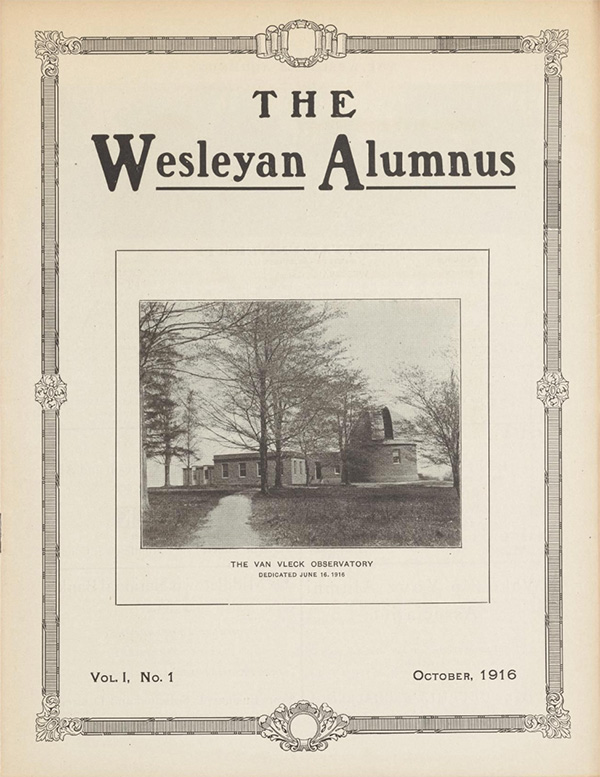
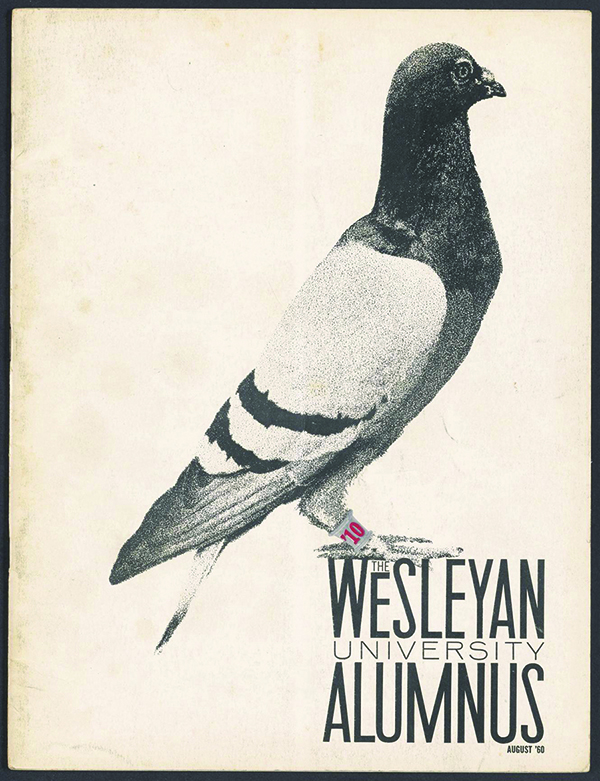
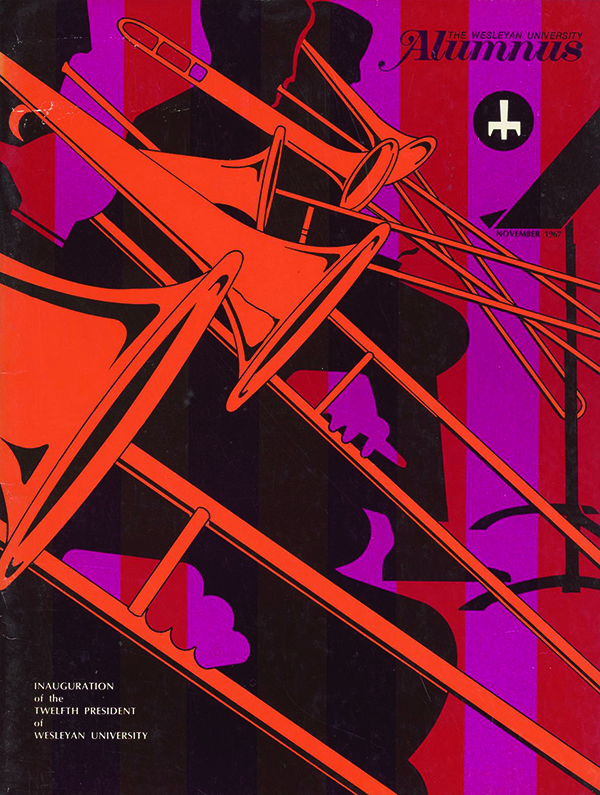
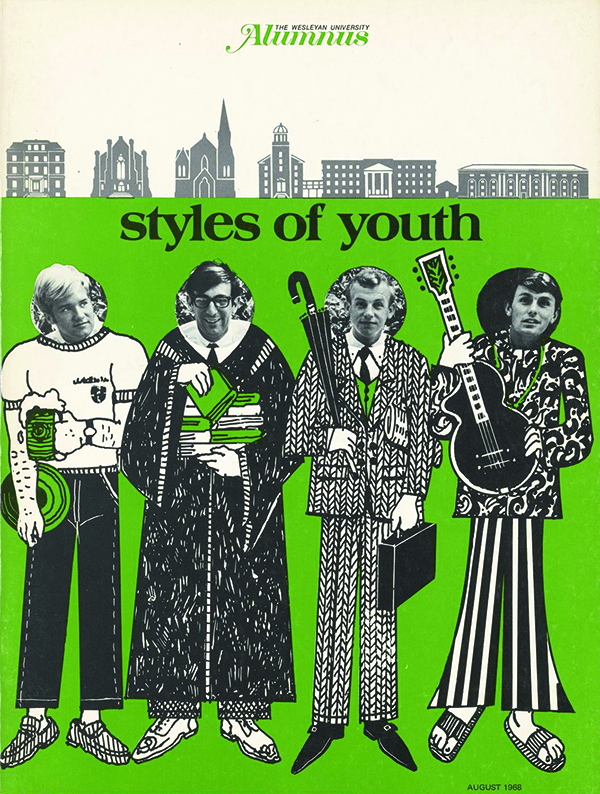
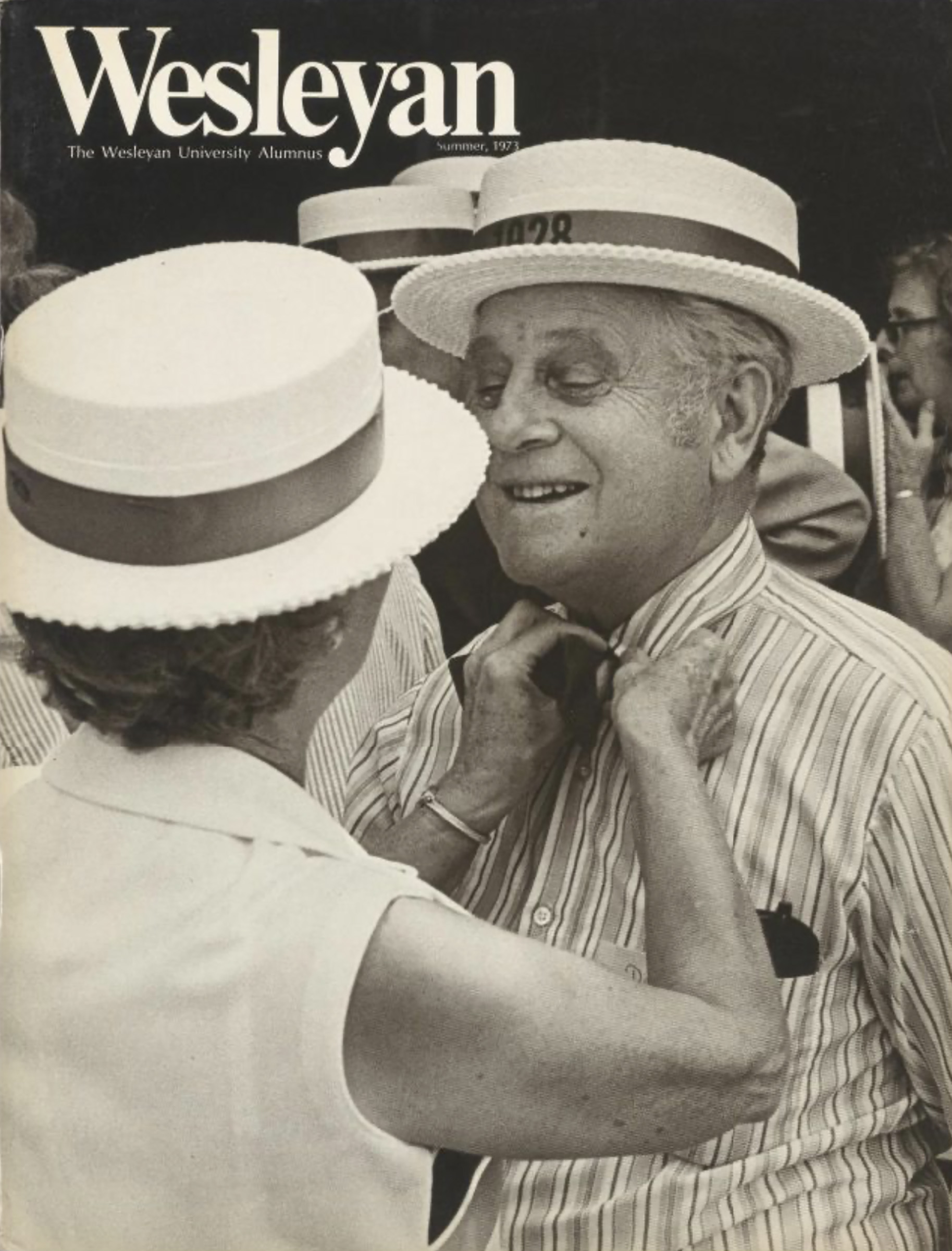
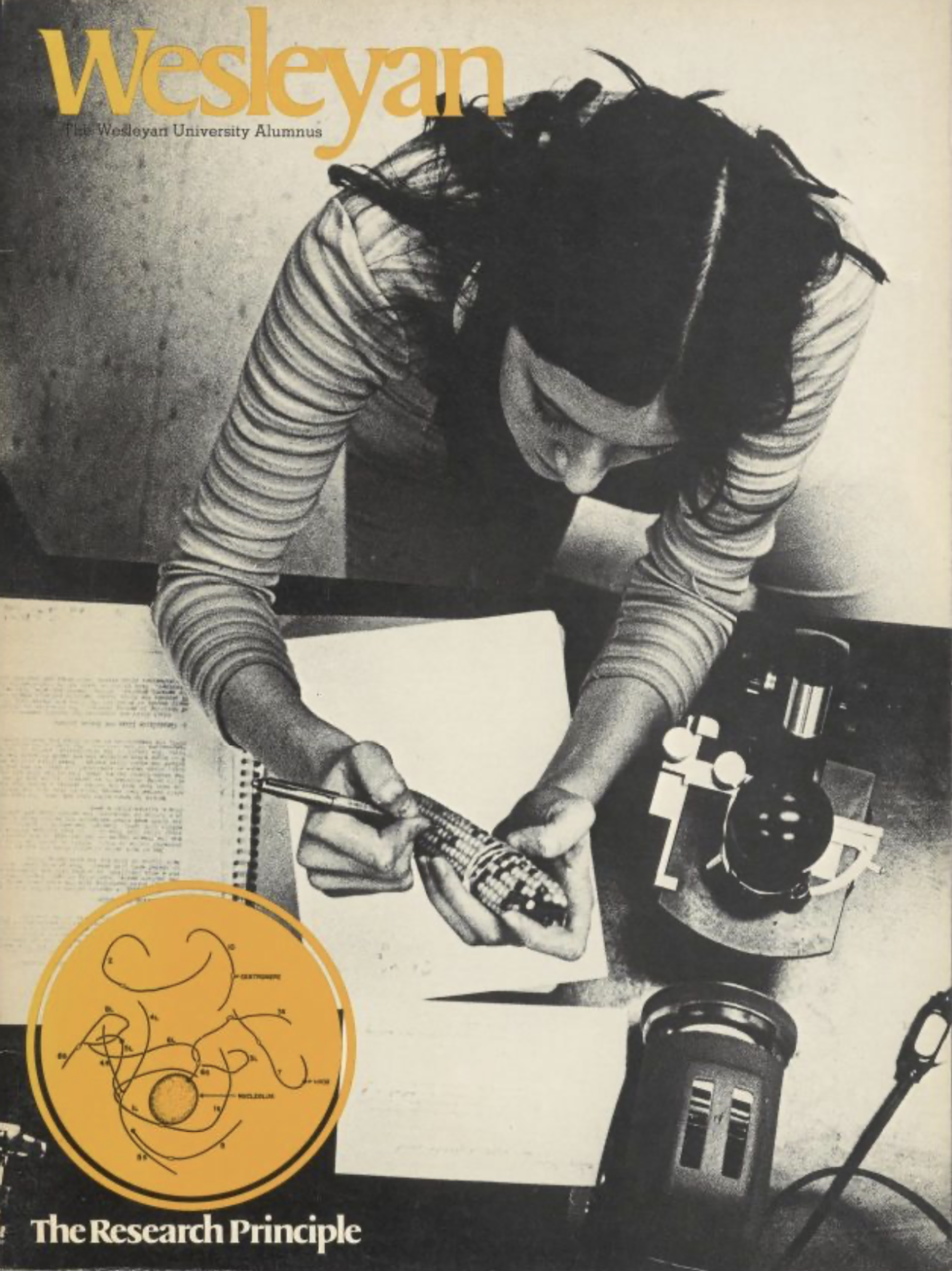
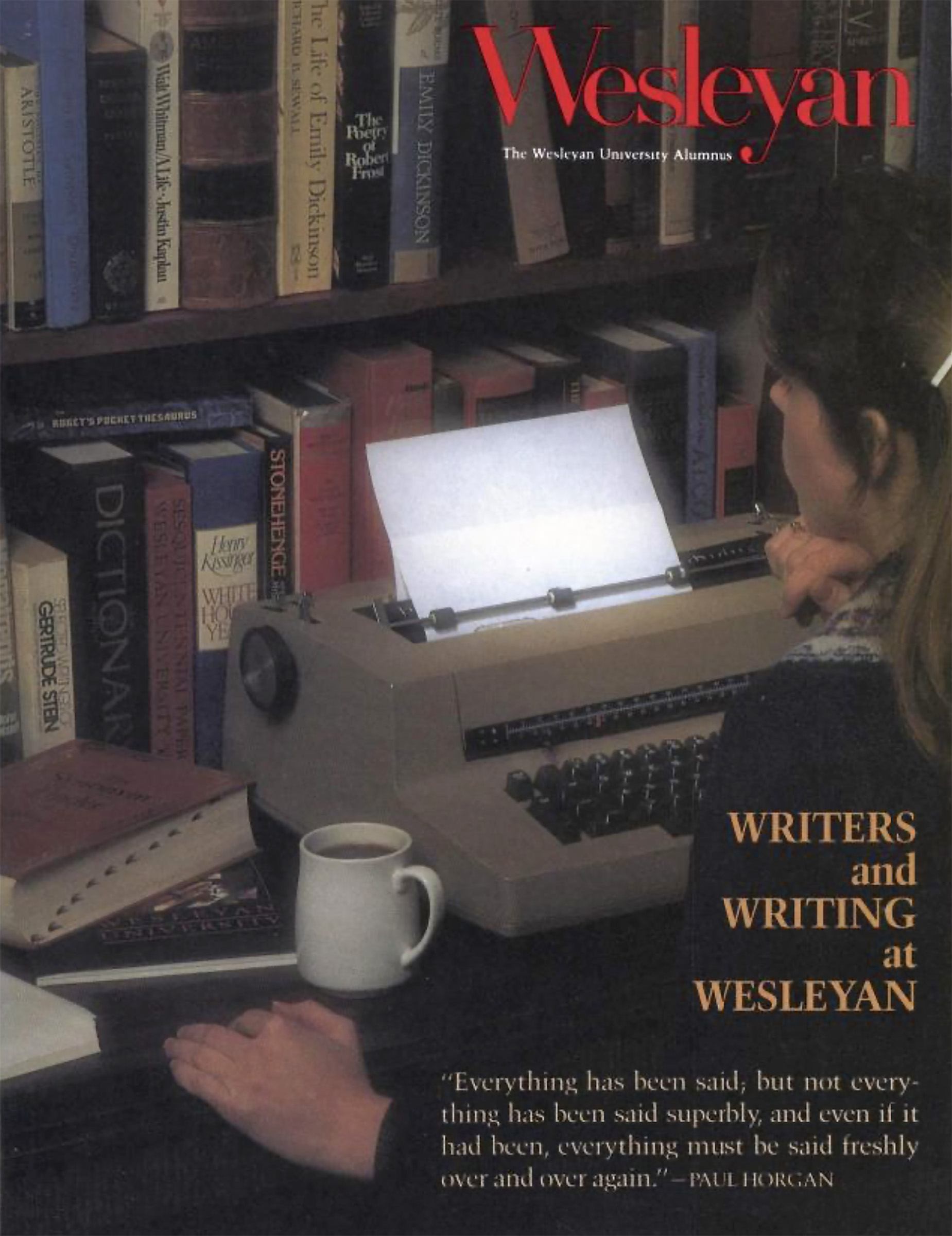
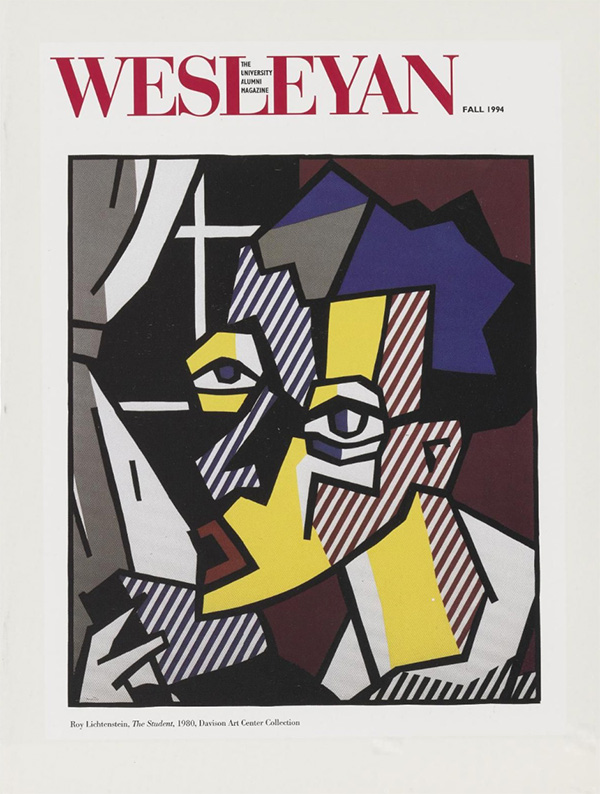
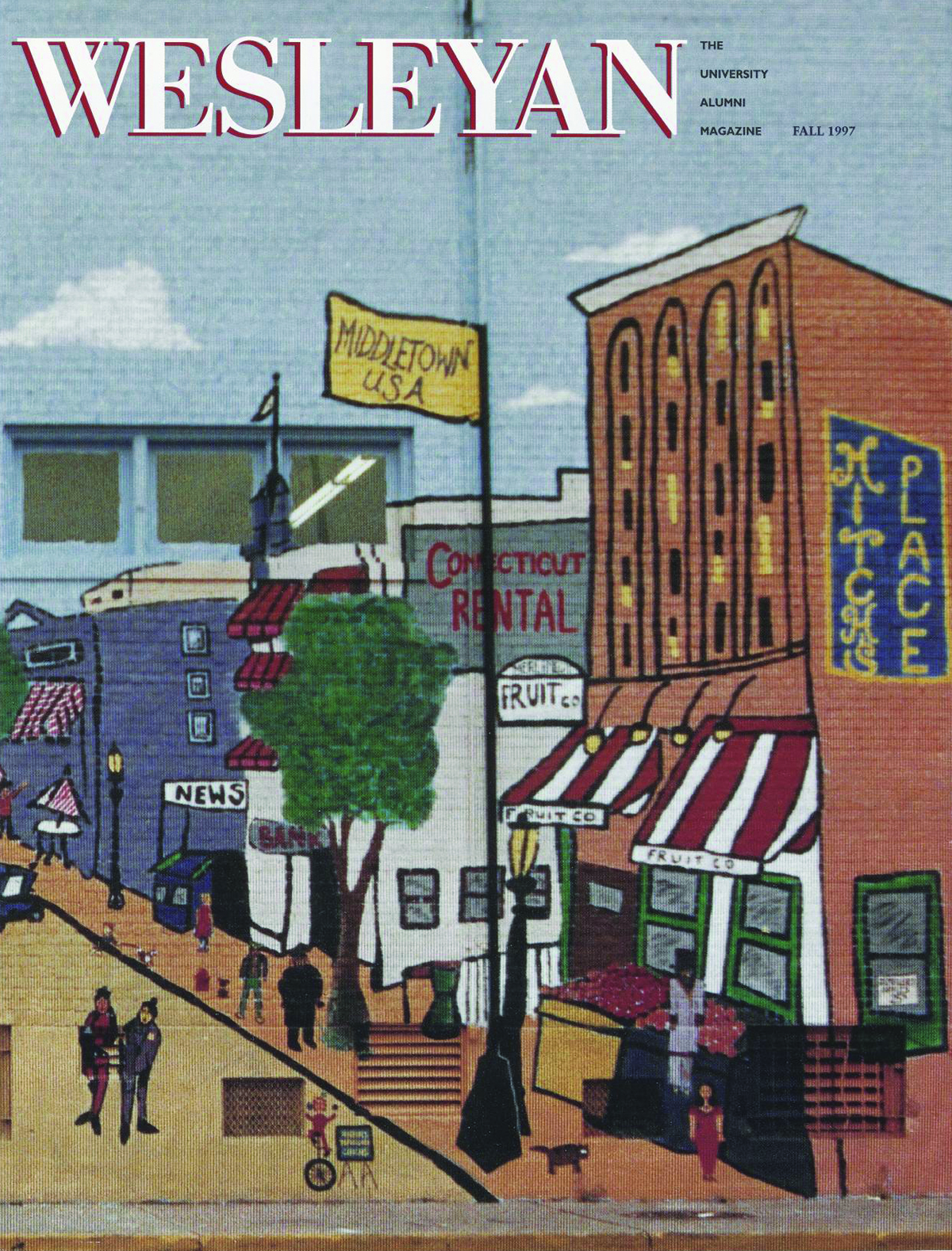
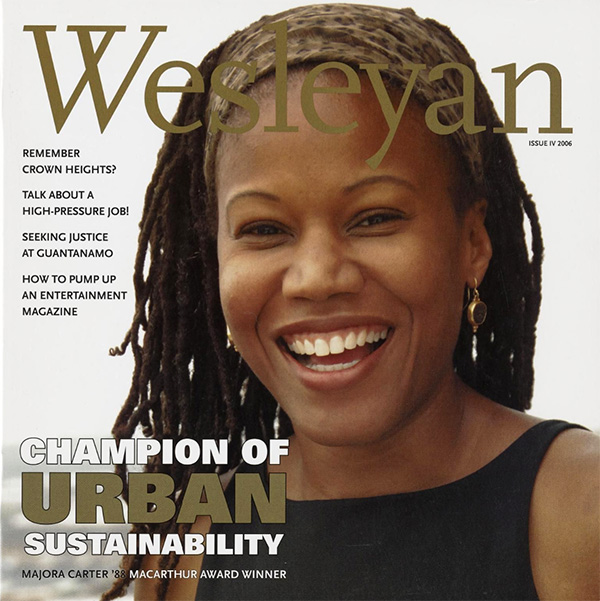
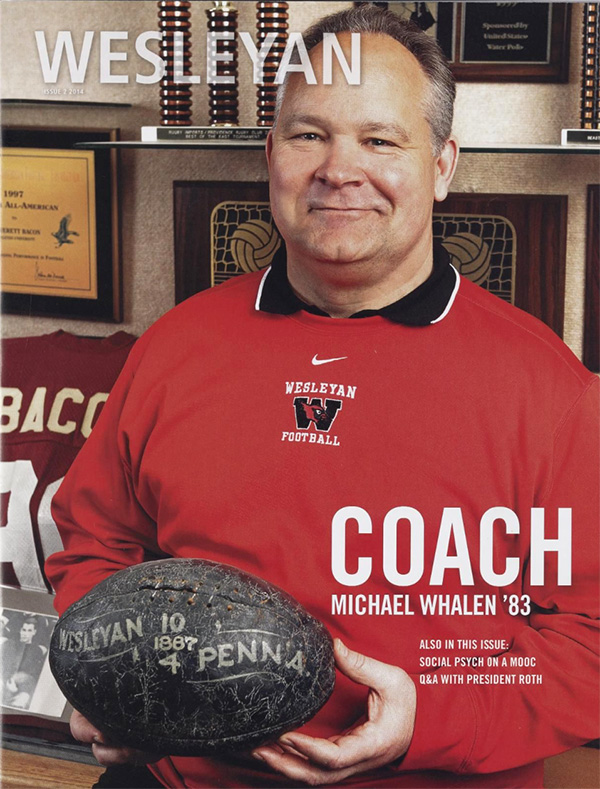
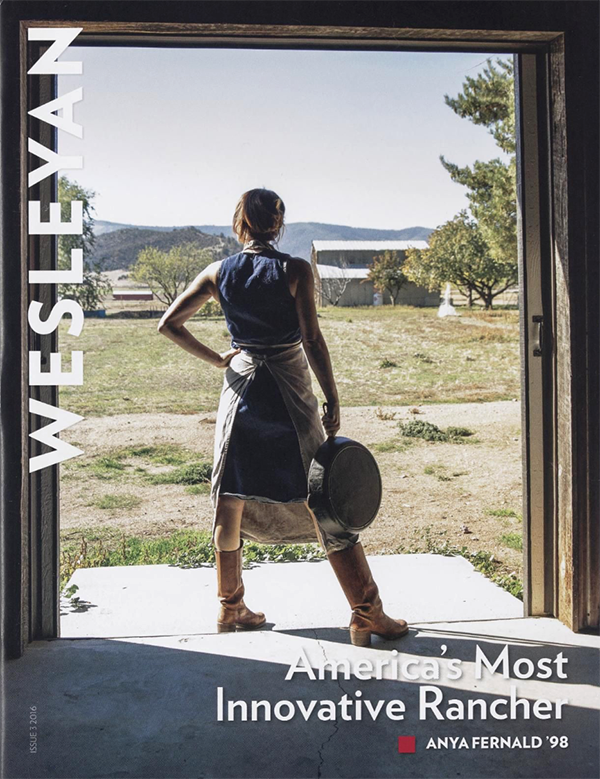
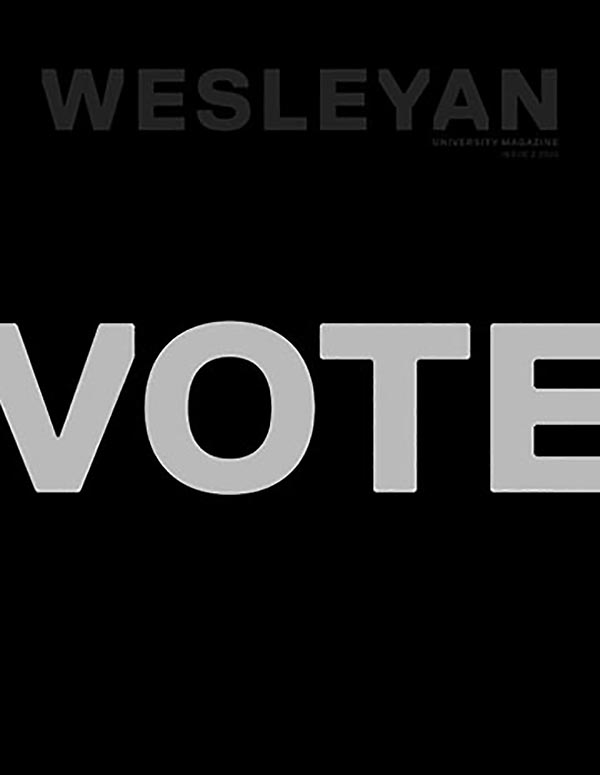
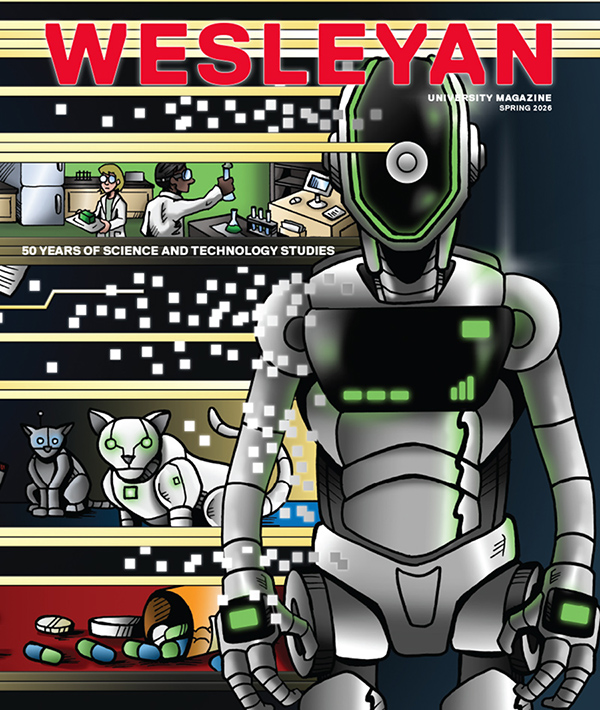
As we approach Wesleyan’s bicentennial in 2031, University Archives continues to find new ways to share Wesleyan’s stories more broadly. Over the past year, in partnership with University Communications, the library has digitized the complete print run of Wesleyan’s flagship magazine, making 438 issues currently available on the library’s Digital Collections site. With a continual run dating back more than a century—the first issue was published in late 1916—the magazine provides insights into how the Wesleyan community viewed history as it unfolded, through the lens of the University’s academic mission as well as an audience of global yet connected alumni. Issues of The Alumnus—the earliest name for what’s now Wesleyan University Magazine—sit in the same digital space as many other Wesleyan-related collections, all of which are full-text searchable.
The magazine archive represents a new addition to the University’s ever-growing Digital Collections, providing asynchronous access to highly used and distinctive materials from Unique Collections and around campus. While nothing can replace the experience of handling original physical materials, digital access makes such materials available beyond the physical boundaries of campus. In addition, full-text searching of these materials opens new avenues of inquiry as well as the chance to make connections in unlikely places.
For example, you can find a first-person account of how the University community engaged with the Freedom Riders of the 1960s in “A Moderate Goes Home,” an article by Wesleyan faculty member John D. Maguire, who was a participant in the Freedom Rides. (“Morally, I had to make this journey,” Maguire wrote. “To be human means to have certain rights of man, and the Christian must be engaged until every man enjoys them.”) And, if you search “freedom riders” on Digital Collections, you can also see how that coverage compares to that of the Argus and other student publications. You can even see how later students wrestled with ideas surrounding the Freedom Riders, sit-ins, and other forms of protest in several honors theses.
The Digital Collections site also contains archives of other Wesleyan publications, including the Olla Podrida, the Argus, and selected student-created publications. There are plans afoot to digitize more full runs of Wesleyan publications as well as a complete set of course catalogs. All told, Digital Collections now hosts just over 16,000 digital objects, a number that will expand exponentially over the next few years as we near Wesleyan’s bicentennial. Taken together, the items in these collections tell a range of stories—personal and professional, well known and obscure, and always illuminating.
Take James “Jim” Carrier ’42, a football player between 1939 and 1942. During his time as a student-athlete, he created scrapbooks that include photographs, cutouts of images from football programs, news clippings, and other memorabilia, giving a personal touch to existing narratives about what college athletics were like during his time at Wesleyan.
Wilbur Olin Atwater (Class of 1865) was a famous chemist who studied human nutrition and set up the first agricultural experiment station, which eventually grew into the US Department of Agriculture we know today. He was also a chemistry professor at Wesleyan between 1873 and his death in 1907. Most of his papers in the University archives are associated with his professional work, but the most colorful parts of his collection are the postcards he acquired throughout his travels and sent home to his family.
Individual scrapbooks and postcards are ephemeral mementos full of charm; alongside more formal historical records, they provide new insights into the stories that have shaped the Wesleyan community. There are countless more stories waiting to be discovered with just a few keystrokes.
Amanda Nelson, Dietrich Family Associate University Librarian for Unique Collections and Francesca Baird, Head of Digital Initiatives